9 Signs Your Tailor Actually Knows What They're Doing
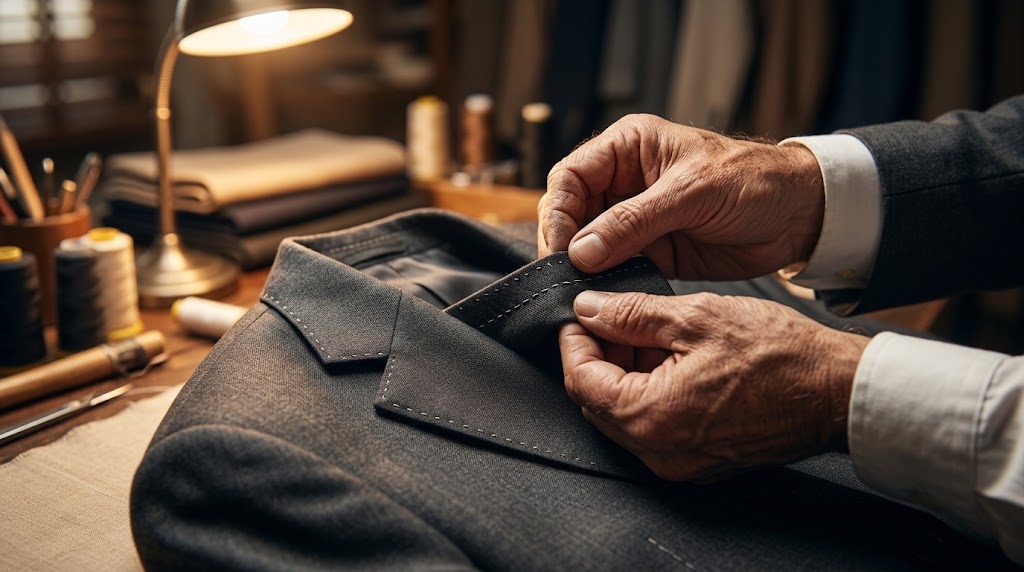
Table of Contents
- The Shoulders Sit Naturally
- No Visible Collar Gap
- The Lapel Lies Flat with a Gentle Roll
- The Jacket Balances From Every Angle
- The Sleeves Hang Clean Without Twisting
- The Internal & External Finishing Is Immaculate
- They Ask Questions Before Touching the Tape
- They Explain Fabric Trade-Offs Honestly
- They Refuse to Rush Your Fitting
- Frequently Asked Questions
1. The Shoulders Sit Naturally
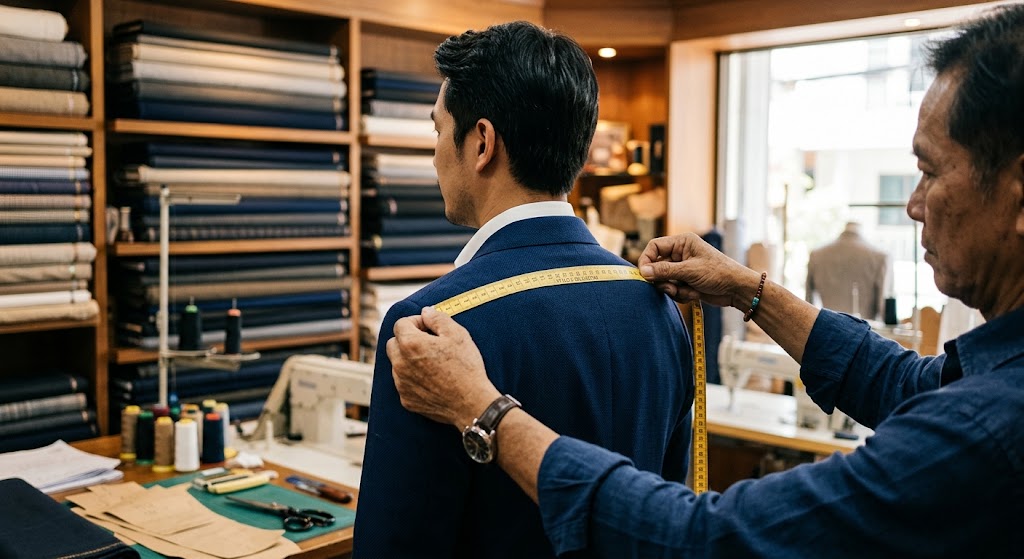
The shoulder line forms the structural anchor of the entire jacket. A master tailor ensures the seam ends precisely where your arm meets your shoulder bone—without extends past it (causing "shoulder divots") or pulling tight (creating tension lines).
Key Takeaway: Shoulder adjustments are almost impossible to fix once fabric is cut. Getting this zone right during the initial draft is the hallmark of an expert cutter.
2. No Visible Collar Gap
When you stand, walk, or reach forward, your jacket collar should hug your shirt collar seamlessly. A gap between the two—or a jacket collar that rides up into your neck—signals that the tailor failed to adjust for your neck pitch or natural back posture.
3. The Lapel Lies Flat with a Gentle Roll
A detailed view of a hand-pressed lapel roll on a bespoke jacket.

A well-constructed lapel does not crease sharp or buckle off the chest like a flat piece of cardboard. Instead, it curves gently from the top button to the shoulder in a smooth, continuous roll. This natural dimension is achieved through canvas interlining and skilled hand-pressing.
4. The Jacket Balances From Every Angle
| View Angle | What a Good Tailor Looks For | Sign of Poor Construction |
| Front | Lapels sit flush, jacket quarters meet cleanly without gaping | Fabric pulling across the chest or stomach |
| Side | Sleeve pitching aligns with natural arm rest angle | Diagonal wrinkle draglines across the arms |
| Back | Clean drape over shoulder blades and lower back | Deep horizontal rolls below the back collar |
5. The Sleeves Hang Clean Without Twisting
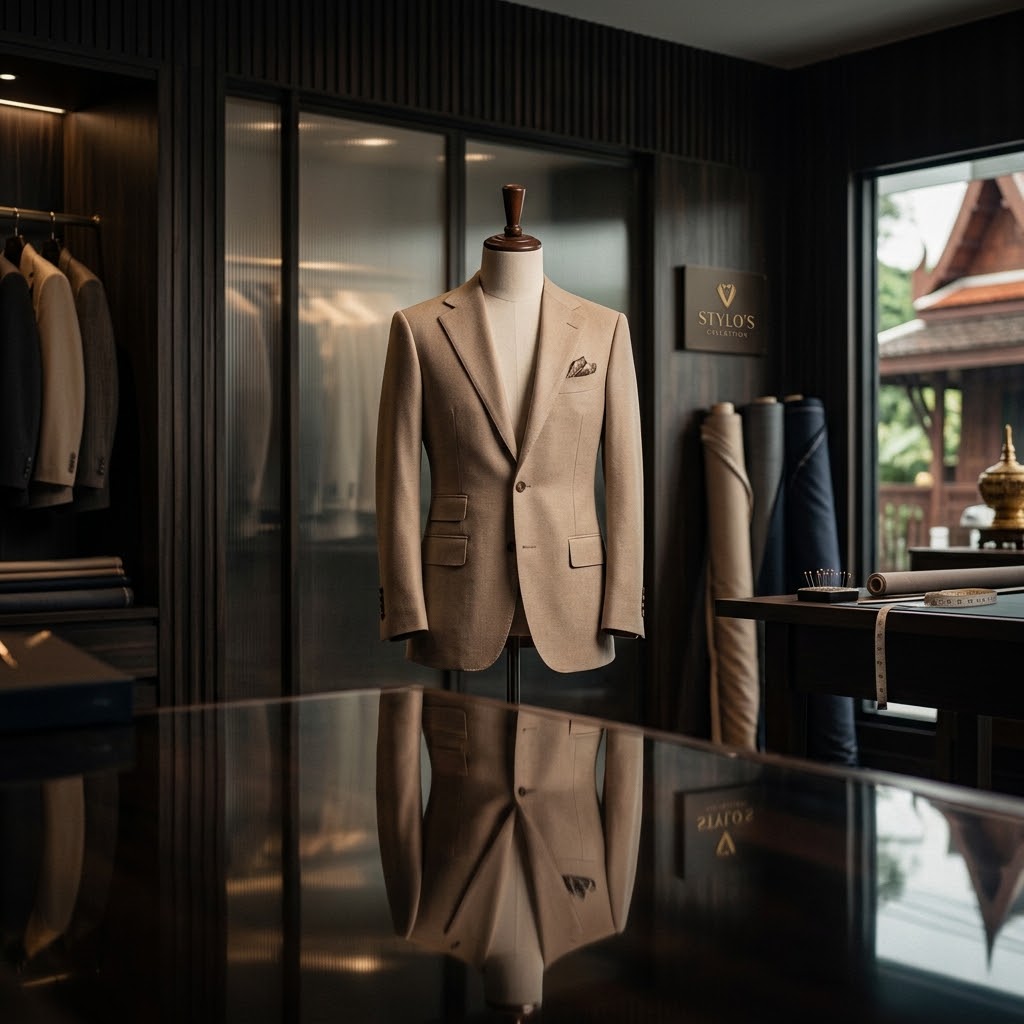
A three-quarter showroom view of a finished bespoke suit on a mannequin.

Human arms naturally pitch slightly forward or backward when at rest. A master tailor measures your arm pitch and rotates the sleeve head accordingly so the fabric falls cleanly without twisting or bunching along your forearms.
6. The Internal & External Finishing Is Immaculate
Look closely at the details:
- Horn or Shell Buttons: Securely cross-stitched with a wrapped thread shank.
- Hand-Cut Buttonholes: Crisp edges without loose, fraying threads.
- Alignment: Pattern lines or pinstripes match across lapels, chest pockets, and shoulder seams.
7. They Ask Questions Before Touching the Tape
An amateur tailor jumps straight to taking measurements. A master tailor asks about your lifestyle first:
- "Are you wearing this in air-conditioned offices or outdoor summer events?"
- "Do you sit at a desk for long hours or travel frequently?"
- "Do you prefer a classic, structured silhouette or a soft, unstructured drape?"
Your answers dictate fabric weight, canvas structure, and ease allowances.
8. They Explain Fabric Trade-Offs Honestly
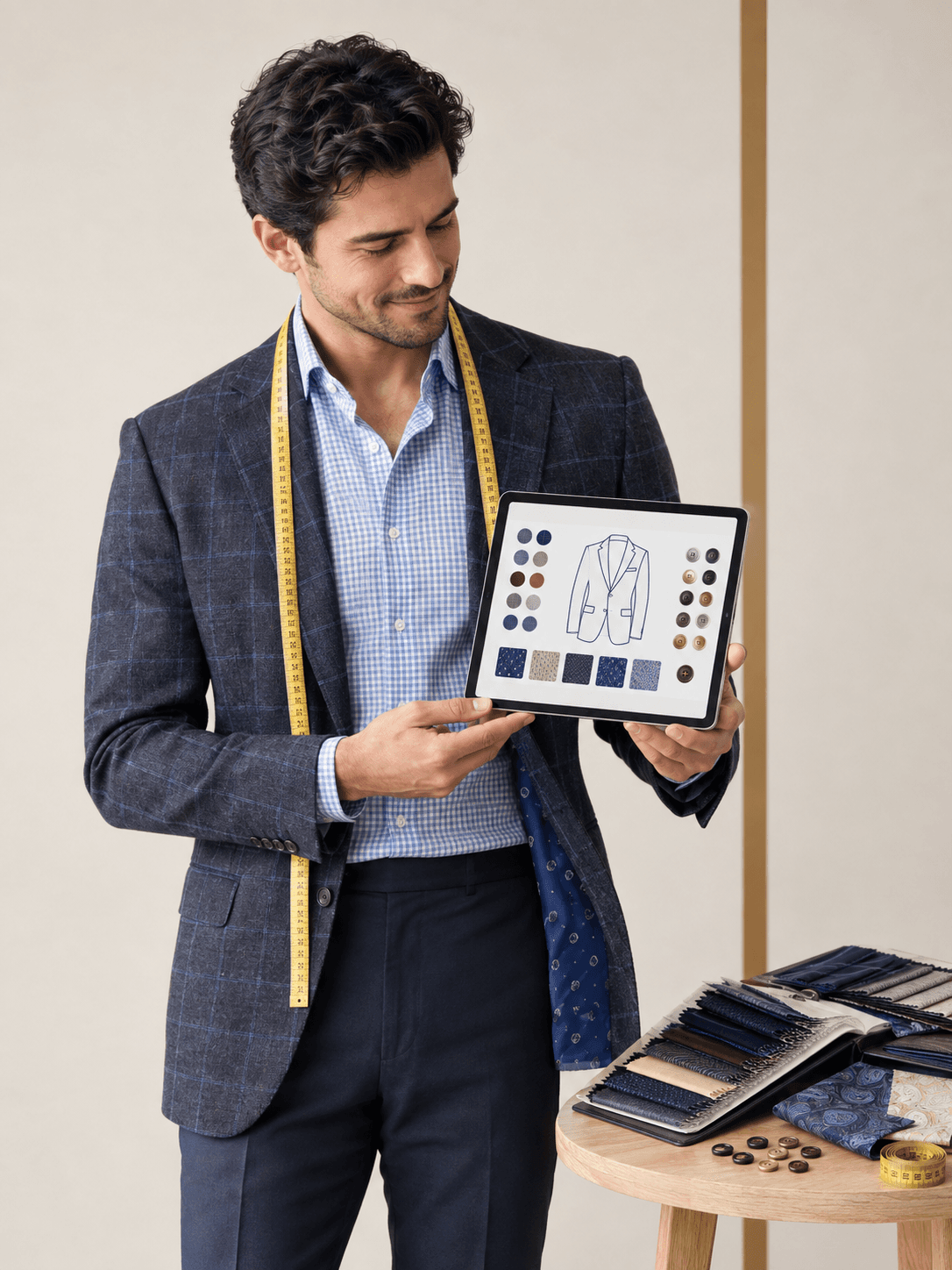
A high price tag doesn't guarantee a practical suit. An honest tailor won't push a delicate, high-maintenance Super 180s wool if you need an everyday workhorse suit—or a dense 14oz flannel for a tropical wedding in Bangkok. They explain breathability, crease resistance, and longevity upfront.
9. They Refuse to Rush Your Fitting
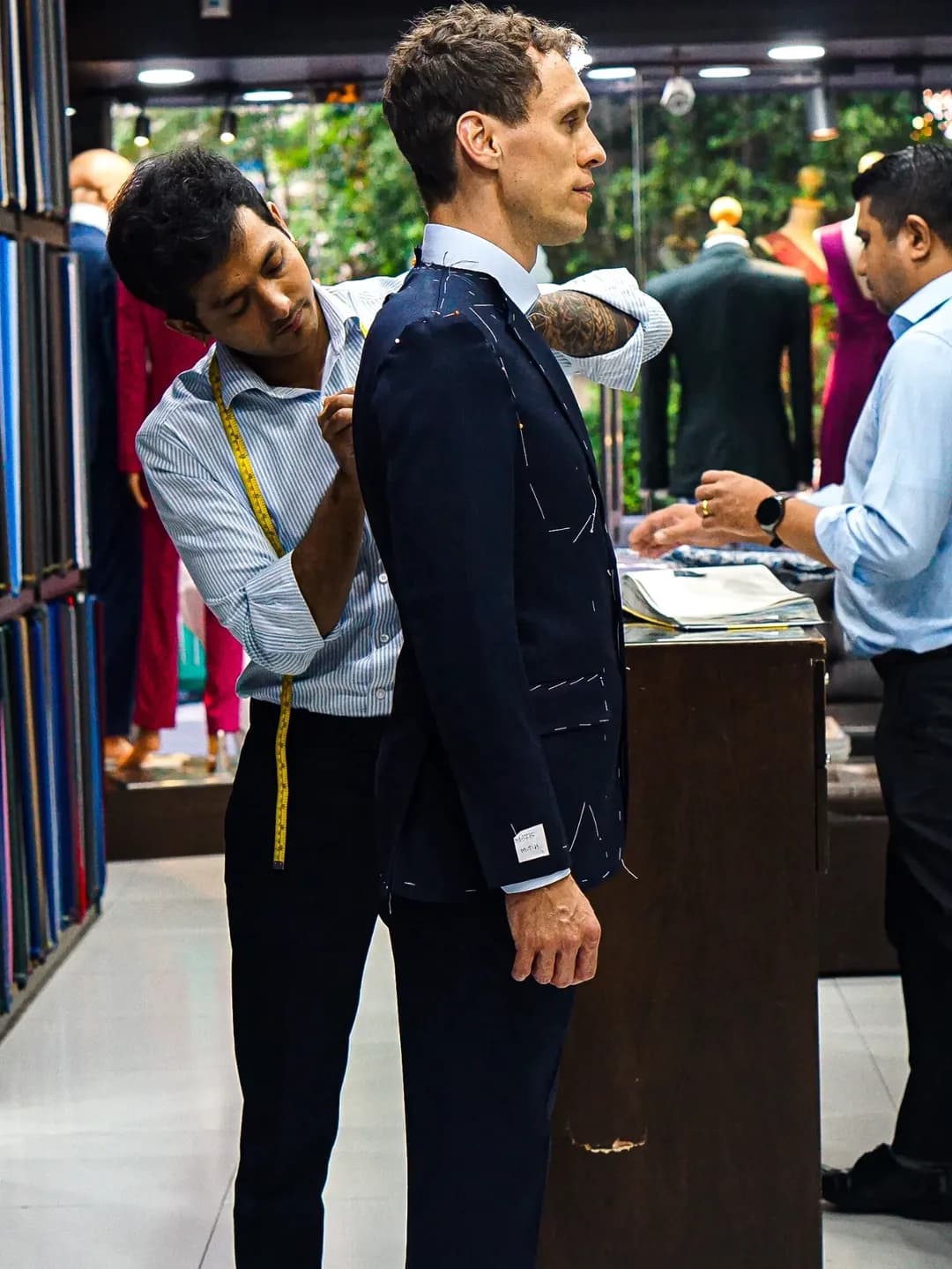
A tailor checking a client's posture during a basted fitting.

A true bespoke fitting takes 30 to 45 minutes. It involves assessing posture, adjusting basted seams, and observing how the jacket moves as you sit and walk. If a tailor spends less than 5 minutes on your fitting, they aren't customizing the pattern to your body.
Frequently Asked Questions
How can I tell if a suit is well made?
Focus on the structural anchor points: verify the shoulders sit cleanly without divots, the collar stays flush against your neck, the lapels roll smoothly, and the stitching along buttonholes and seams is clean and uniform.
What is the biggest red flag when choosing a tailor?
A rushed fitting where the tailor takes 2–3 basic measurements, asks no questions about how or where you plan to wear the garment, and promises a finished product without a mid-way fitting.
Does expensive fabric guarantee a better suit?
No. Fabric is only half the equation. Superior construction, precise pattern cutting, and proper canvas structure matter far more for achieving a flattering fit and long-term durability.
Experience True Craftsmanship in Bangkok
Test our fitting standards for yourself. Book a consultation at our Sukhumvit workshop to review fabrics, discuss silhouettes, and experience master tailoring firsthand.
📍 Location: Phrom Phong, Sukhumvit, Bangkok
💬 Direct WhatsApp: +66 86 338 8762